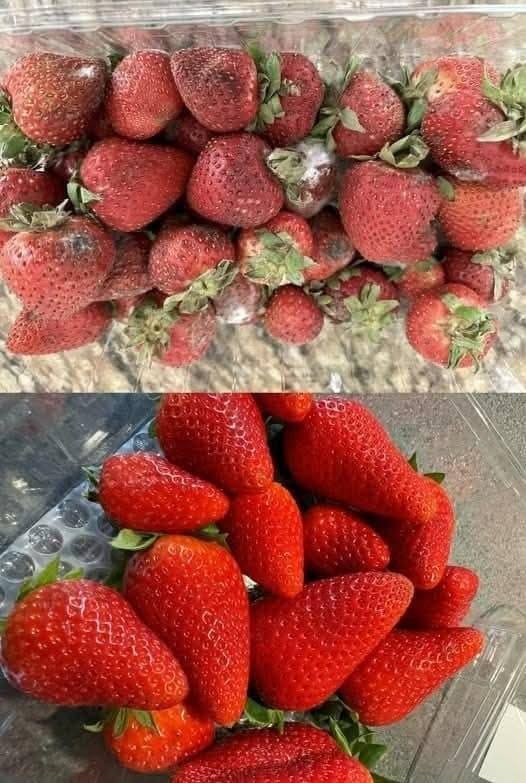
Ah! You’re talking about Strawberry ‘Senga Sengana’ 🍓—a classic European strawberry variety, especially popular in Germany. Here’s a full overview:
Strawberry ‘Senga Sengana’ Overview
Origin
- Developed in Germany in the mid-20th century.
- The name comes from German breeding programs.
Characteristics
- Fruit: Small to medium-sized, deep red, firm, and glossy.
- Flavor: Sweet, slightly tangy, very aromatic—excellent for fresh eating and preserves.
- Texture: Firm, holds shape well when cooking or freezing.
- Plant: Compact, vigorous growth, spreads moderately.
Growing Notes
- Type: June-bearing (produces one main crop in late spring/early summer).
- Soil: Well-drained, fertile, slightly acidic (pH 5.5–6.5).
- Sun: Full sun for best fruiting.
- Spacing: About 12–18 inches between plants.
- Watering: Regular, especially during fruiting. Avoid wetting foliage to reduce disease.
Uses
- Fresh eating: Delicious right off the plant.
- Preserves: Jams, jellies, and purees hold flavor well.
- Baking: Cakes, tarts, and pies—fruit holds shape.
- Freezing: Excellent for frozen fruit preparations due to firmness.
Advantages
- Extremely aromatic flavor compared to many modern hybrids.
- Long shelf life and transportable—popular for markets.
- Resistant to softening during cooking and freezing.
Drawbacks
- Smaller fruit than some modern strawberry hybrids.
- Susceptible to common strawberry pests like slugs or aphids if not managed.
💡 Tip: If you’re making jam or preserves, ‘Senga Sengana’ is a favorite because its aromatic flavor really comes through even after cooking.
If you want, I can give a simple homemade recipe using Senga Sengana strawberries, like jam, tart, or a fresh strawberry dessert that really shows off their flavor.
Do you want me to do that?
