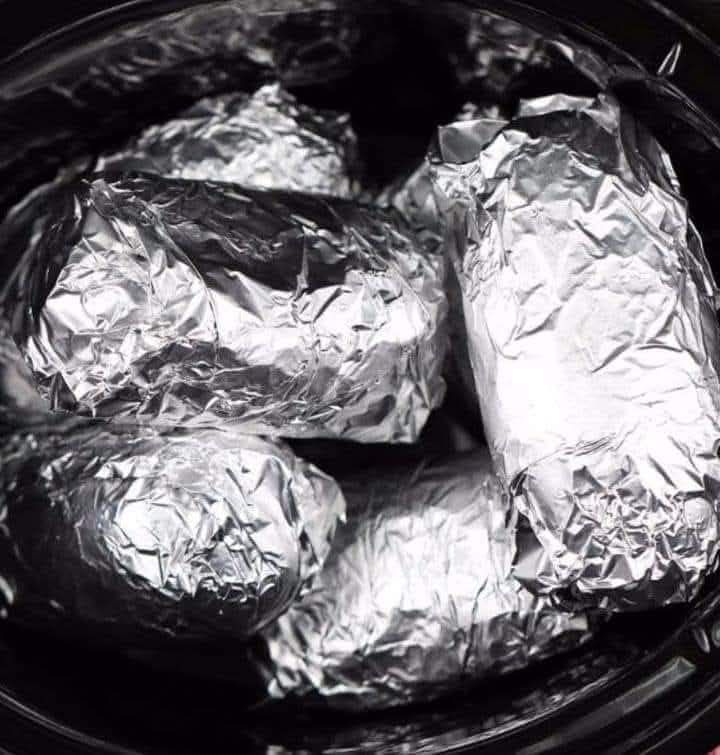
Aluminium foil (also spelled “aluminum foil”) is a thin sheet of metal commonly used in cooking, baking, and food storage. It’s versatile, inexpensive, and heat-resistant.
Common Uses in Cooking
- Wrapping food
- Keeps moisture in while baking or grilling.
- Protects food from direct heat (e.g., baked potatoes, fish).
- Lining pans and trays
- Makes cleanup easier.
- Prevents sticking for baked goods or roasted veggies.
- Covering dishes
- Prevents over-browning in the oven.
- Helps trap steam for more even cooking.
- Grilling or roasting packets
- Combine meat, vegetables, and seasonings in a foil packet to cook evenly and retain flavors.
Tips & Safety
- Shiny side vs. dull side: There’s no significant difference for cooking; shiny side reflects heat slightly more, dull side absorbs it more.
- High heat caution: Avoid cooking acidic foods (tomatoes, citrus) in foil for long periods—they can react with the metal.
- Microwave use: Do not put foil in the microwave—it can spark.
Fun Hacks
- Make a foil tent over roasted chicken to keep it moist.
- Use rolled foil balls as a grill scrubber.
- Make a DIY funnel or pastry cone for icing.
If you want, I can give a step-by-step guide on using foil for grilling, baking, or storing leftovers safely and efficiently.
