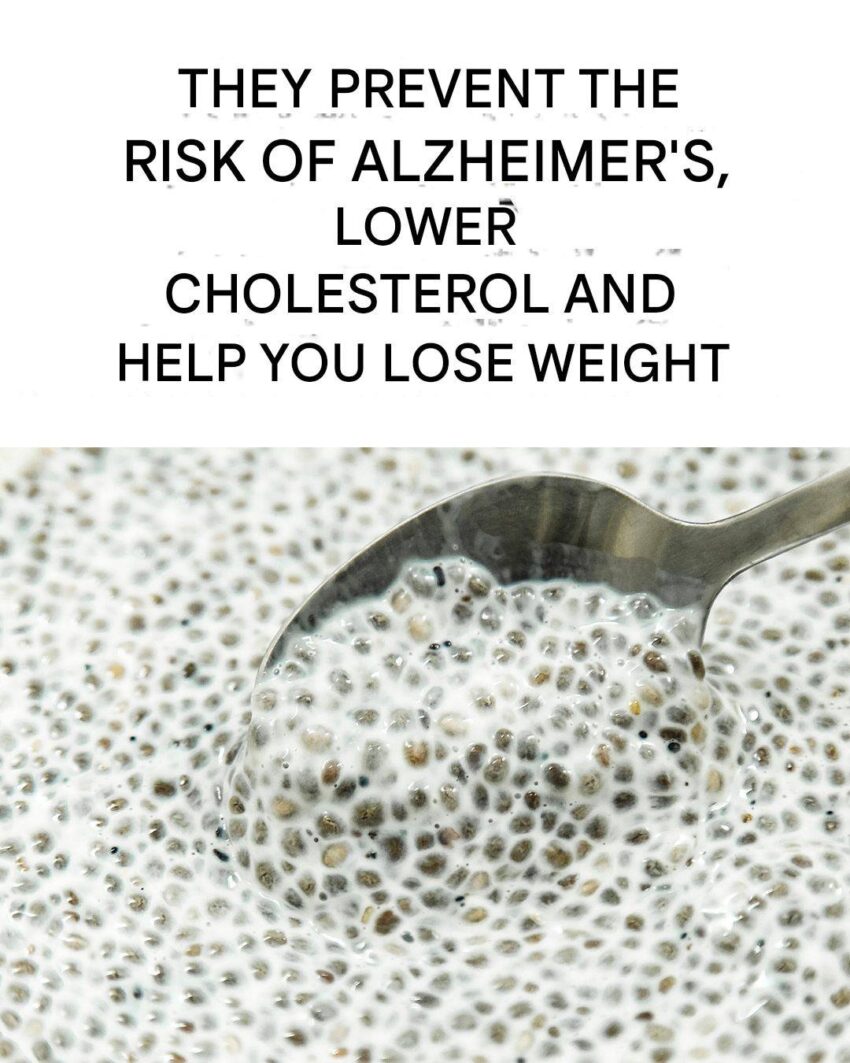
Ah, chia seeds—tiny but mighty! Here’s a complete overview:
What Chia Seeds Are
- Tiny seeds from the plant Salvia hispanica, related to mint.
- They come in black or white varieties; both are nutritionally similar.
- Native to Central America, historically used by the Aztecs and Mayans as a staple food.
Nutritional Benefits
Chia seeds are packed with nutrients despite their size:
- Omega-3 fatty acids – good for heart and brain health
- Fiber – supports digestion and satiety
- Protein – about 2g per tablespoon
- Minerals – calcium, magnesium, phosphorus, manganese
- Antioxidants – help protect cells
How to Use Chia Seeds
- Hydrated / gel form:
- Mix 1 part chia seeds with 6–8 parts liquid (water, milk, juice).
- Let sit 10–15 minutes to form a gel; great for puddings, smoothies, or egg substitutes.
- Raw / sprinkled:
- Add to yogurt, oatmeal, cereal, or salads for a crunchy boost.
- Baking:
- Can replace some flour or eggs in baked goods (1 tbsp chia + 3 tbsp water = 1 egg).
Chia Seed Pudding Recipe (Quick Example)
Ingredients:
- 3 tbsp chia seeds
- 1 cup milk (dairy or plant-based)
- 1–2 tsp sweetener (honey, maple syrup)
- Optional: vanilla, cocoa, fruit, nuts
Instructions:
- Mix chia seeds with milk and sweetener.
- Let sit in the fridge 2–4 hours (or overnight) until thick.
- Stir once or twice to prevent clumping.
- Top with fruit, nuts, or cocoa before serving.
💡 Tips:
- Chia seeds absorb 10–12 times their weight in water, so stay hydrated when eating lots.
- Grinding chia seeds can make nutrients easier to absorb, but whole seeds still provide fiber benefits.
- Great for smoothies, energy bars, and breakfast bowls.
If you want, I can give a few creative, no-cook chia seed recipes that taste like desserts but are super healthy and ready in minutes.
Do you want me to do that?
