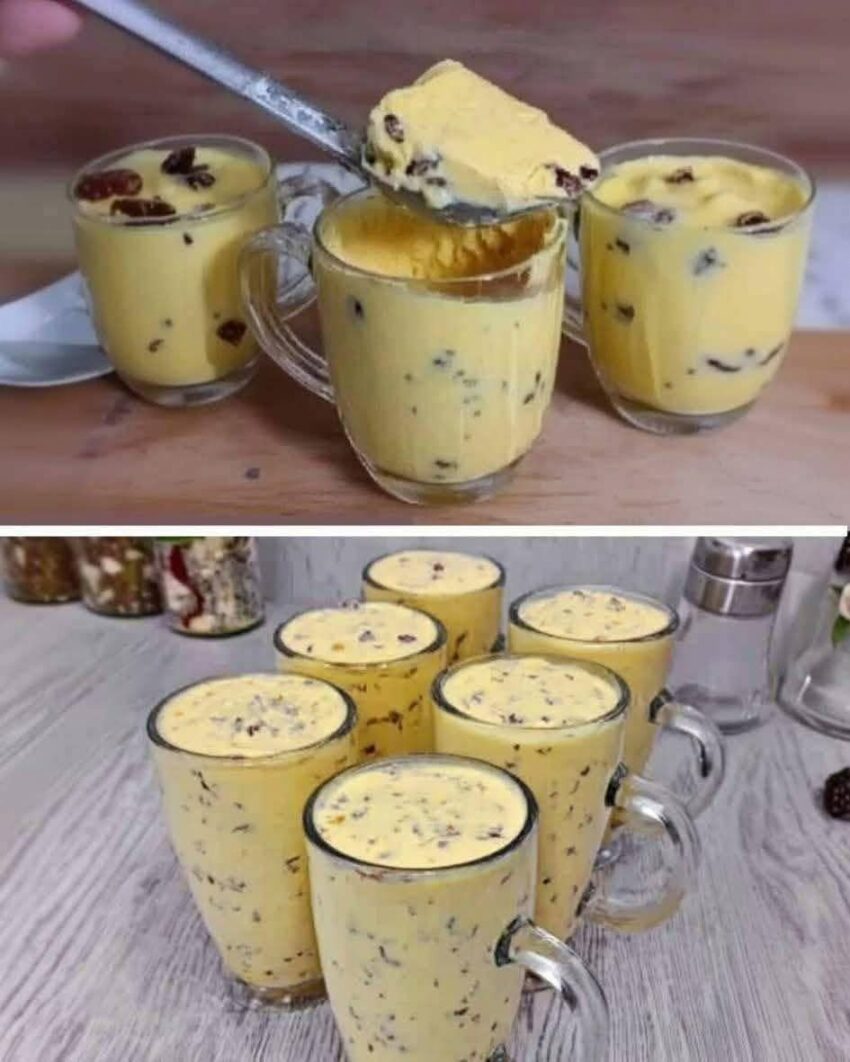
Ah, fruit custard and fruit mousse—both are creamy, fruity desserts, but they’re a little different in texture and richness. Here’s a clear breakdown:
1. Fruit Custard
- Texture: Smooth, creamy, pourable.
- Base: Milk thickened with custard powder (or cornstarch) and sugar.
- Fruits: Usually seasonal fruits like banana, apple, mango, grapes, pomegranate, or berries.
- Method:
- Heat milk and sugar, then slowly add custard powder (mixed with a little cold milk) while stirring to avoid lumps.
- Cook until it thickens, then cool.
- Add chopped fruits.
- Chill before serving.
💡 Tip: Custard is more mildly sweet and creamy, perfect for a light dessert after a meal.
2. Fruit Mousse
- Texture: Light, airy, and fluffy.
- Base: Whipped cream (or egg whites) folded into fruit puree, sometimes with gelatin to set.
- Fruits: Can use pureed mango, strawberry, berries, or even chocolate!
- Method:
- Puree the fruit.
- Whip cream (or egg whites) until soft peaks form.
- Fold the whipped cream into the fruit puree gently to keep it airy.
- Chill for a few hours until it sets.
💡 Tip: Mousse is more dessert-like and indulgent, often served in small cups or bowls.
✅ Quick comparison:
Feature Fruit Custard Fruit Mousse Texture Smooth, creamy Light, fluffy Base Milk + custard powder Whipped cream + fruit puree Sweetness Mild Sweet & rich Serving Chilled bowl Chilled cups, fancy presentation
If you want, I can give you a super easy 5-minute fruit custard recipe or a no-bake fruit mousse recipe—both teen-friendly and quick. Which one should I do?