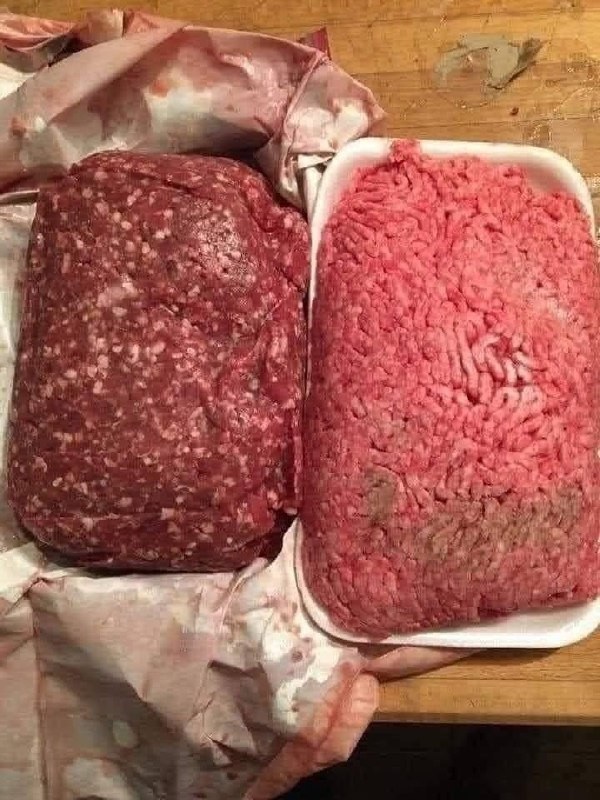
Ah, you’re asking about store-bought beef vs. farm-fresh beef—the difference is pretty interesting and affects taste, texture, and sometimes nutrition. Here’s a clear breakdown:
1. Store-Bought Beef
- Source: Comes from large-scale commercial farms, often processed and packaged for supermarkets.
- Processing: Usually aged a short time (wet-aged in vacuum-sealed packs) and sometimes treated to extend shelf life.
- Texture & Flavor: Can be less flavorful and slightly less tender because of mass production and feed practices.
- Consistency: Very consistent in size, cut, and fat content—easy to cook without surprises.
- Availability: Year-round, widely available.
2. Farm (or Local/Fresh) Beef
- Source: Directly from smaller farms or local butchers. Often grass-fed or pasture-raised.
- Processing: Minimal processing; may be dry-aged or freshly cut.
- Texture & Flavor: Richer, sometimes more “beefy” flavor. Texture can vary depending on the cow’s diet, age, and activity.
- Freshness: Often fresher and sometimes considered healthier (less additives or preservatives).
- Availability: Seasonal or limited, depending on local supply.
Bottom line:
- Store beef = convenient, predictable, and affordable.
- Farm beef = flavorful, fresher, often higher quality, but more expensive and less consistent.
If you want, I can also break down how cooking differs between the two—you’d be surprised how much the taste changes with the method! Do you want me to do that?
